Deprecated: stripos(): Passing null to parameter #1 ($haystack) of type string is deprecated in /home/t783kqc6is44/public_html/testing.risaa.org/wp-content/plugins/stackable-ultimate-gutenberg-blocks/src/init.php on line 202
Deprecated: strpos(): Passing null to parameter #1 ($haystack) of type string is deprecated in /home/t783kqc6is44/public_html/testing.risaa.org/wp-content/plugins/stackable-ultimate-gutenberg-blocks/src/fonts.php on line 42
Deprecated: strpos(): Passing null to parameter #1 ($haystack) of type string is deprecated in /home/t783kqc6is44/public_html/testing.risaa.org/wp-content/plugins/stackable-ultimate-gutenberg-blocks/src/fonts.php on line 42
Deprecated: stripos(): Passing null to parameter #1 ($haystack) of type string is deprecated in /home/t783kqc6is44/public_html/testing.risaa.org/wp-content/plugins/stackable-ultimate-gutenberg-blocks/src/init.php on line 191
Deprecated: stripos(): Passing null to parameter #1 ($haystack) of type string is deprecated in /home/t783kqc6is44/public_html/testing.risaa.org/wp-content/plugins/stackable-ultimate-gutenberg-blocks/src/init.php on line 202
Deprecated: strpos(): Passing null to parameter #1 ($haystack) of type string is deprecated in /home/t783kqc6is44/public_html/testing.risaa.org/wp-content/plugins/stackable-ultimate-gutenberg-blocks/src/fonts.php on line 42
Deprecated: strpos(): Passing null to parameter #1 ($haystack) of type string is deprecated in /home/t783kqc6is44/public_html/testing.risaa.org/wp-content/plugins/stackable-ultimate-gutenberg-blocks/src/fonts.php on line 42
Deprecated: stripos(): Passing null to parameter #1 ($haystack) of type string is deprecated in /home/t783kqc6is44/public_html/testing.risaa.org/wp-content/plugins/stackable-ultimate-gutenberg-blocks/src/init.php on line 191
Deprecated: stripos(): Passing null to parameter #1 ($haystack) of type string is deprecated in /home/t783kqc6is44/public_html/testing.risaa.org/wp-content/plugins/stackable-ultimate-gutenberg-blocks/src/init.php on line 202
Deprecated: strpos(): Passing null to parameter #1 ($haystack) of type string is deprecated in /home/t783kqc6is44/public_html/testing.risaa.org/wp-content/plugins/stackable-ultimate-gutenberg-blocks/src/fonts.php on line 42
Deprecated: strpos(): Passing null to parameter #1 ($haystack) of type string is deprecated in /home/t783kqc6is44/public_html/testing.risaa.org/wp-content/plugins/stackable-ultimate-gutenberg-blocks/src/fonts.php on line 42
Deprecated: stripos(): Passing null to parameter #1 ($haystack) of type string is deprecated in /home/t783kqc6is44/public_html/testing.risaa.org/wp-content/plugins/stackable-ultimate-gutenberg-blocks/src/init.php on line 191
Deprecated: stripos(): Passing null to parameter #1 ($haystack) of type string is deprecated in /home/t783kqc6is44/public_html/testing.risaa.org/wp-content/plugins/stackable-ultimate-gutenberg-blocks/src/init.php on line 202
Deprecated: strpos(): Passing null to parameter #1 ($haystack) of type string is deprecated in /home/t783kqc6is44/public_html/testing.risaa.org/wp-content/plugins/stackable-ultimate-gutenberg-blocks/src/fonts.php on line 42
Deprecated: strpos(): Passing null to parameter #1 ($haystack) of type string is deprecated in /home/t783kqc6is44/public_html/testing.risaa.org/wp-content/plugins/stackable-ultimate-gutenberg-blocks/src/fonts.php on line 42
Deprecated: stripos(): Passing null to parameter #1 ($haystack) of type string is deprecated in /home/t783kqc6is44/public_html/testing.risaa.org/wp-content/plugins/stackable-ultimate-gutenberg-blocks/src/init.php on line 191
Deprecated: stripos(): Passing null to parameter #1 ($haystack) of type string is deprecated in /home/t783kqc6is44/public_html/testing.risaa.org/wp-content/plugins/stackable-ultimate-gutenberg-blocks/src/init.php on line 202
Deprecated: strpos(): Passing null to parameter #1 ($haystack) of type string is deprecated in /home/t783kqc6is44/public_html/testing.risaa.org/wp-content/plugins/stackable-ultimate-gutenberg-blocks/src/fonts.php on line 42
Deprecated: strpos(): Passing null to parameter #1 ($haystack) of type string is deprecated in /home/t783kqc6is44/public_html/testing.risaa.org/wp-content/plugins/stackable-ultimate-gutenberg-blocks/src/fonts.php on line 42
Deprecated: stripos(): Passing null to parameter #1 ($haystack) of type string is deprecated in /home/t783kqc6is44/public_html/testing.risaa.org/wp-content/plugins/stackable-ultimate-gutenberg-blocks/src/init.php on line 191
Deprecated: stripos(): Passing null to parameter #1 ($haystack) of type string is deprecated in /home/t783kqc6is44/public_html/testing.risaa.org/wp-content/plugins/stackable-ultimate-gutenberg-blocks/src/init.php on line 202
Deprecated: strpos(): Passing null to parameter #1 ($haystack) of type string is deprecated in /home/t783kqc6is44/public_html/testing.risaa.org/wp-content/plugins/stackable-ultimate-gutenberg-blocks/src/fonts.php on line 42
Deprecated: strpos(): Passing null to parameter #1 ($haystack) of type string is deprecated in /home/t783kqc6is44/public_html/testing.risaa.org/wp-content/plugins/stackable-ultimate-gutenberg-blocks/src/fonts.php on line 42
Deprecated: stripos(): Passing null to parameter #1 ($haystack) of type string is deprecated in /home/t783kqc6is44/public_html/testing.risaa.org/wp-content/plugins/stackable-ultimate-gutenberg-blocks/src/init.php on line 191
Deprecated: stripos(): Passing null to parameter #1 ($haystack) of type string is deprecated in /home/t783kqc6is44/public_html/testing.risaa.org/wp-content/plugins/stackable-ultimate-gutenberg-blocks/src/init.php on line 202
Deprecated: strpos(): Passing null to parameter #1 ($haystack) of type string is deprecated in /home/t783kqc6is44/public_html/testing.risaa.org/wp-content/plugins/stackable-ultimate-gutenberg-blocks/src/fonts.php on line 42
Deprecated: strpos(): Passing null to parameter #1 ($haystack) of type string is deprecated in /home/t783kqc6is44/public_html/testing.risaa.org/wp-content/plugins/stackable-ultimate-gutenberg-blocks/src/fonts.php on line 42
In today’s day and age of ever-competing time challenges and the dominance of social media, why do fishing clubs and RISAA still matter? Originally, fishing clubs were ever-present in coastal…
Read more]]>
Deprecated: stripos(): Passing null to parameter #1 ($haystack) of type string is deprecated in /home/t783kqc6is44/public_html/testing.risaa.org/wp-content/plugins/stackable-ultimate-gutenberg-blocks/src/init.php on line 191
Deprecated: stripos(): Passing null to parameter #1 ($haystack) of type string is deprecated in /home/t783kqc6is44/public_html/testing.risaa.org/wp-content/plugins/stackable-ultimate-gutenberg-blocks/src/init.php on line 202
Deprecated: strpos(): Passing null to parameter #1 ($haystack) of type string is deprecated in /home/t783kqc6is44/public_html/testing.risaa.org/wp-content/plugins/stackable-ultimate-gutenberg-blocks/src/fonts.php on line 42
Deprecated: strpos(): Passing null to parameter #1 ($haystack) of type string is deprecated in /home/t783kqc6is44/public_html/testing.risaa.org/wp-content/plugins/stackable-ultimate-gutenberg-blocks/src/fonts.php on line 42
Deprecated: stripos(): Passing null to parameter #1 ($haystack) of type string is deprecated in /home/t783kqc6is44/public_html/testing.risaa.org/wp-content/plugins/stackable-ultimate-gutenberg-blocks/src/init.php on line 191
Deprecated: stripos(): Passing null to parameter #1 ($haystack) of type string is deprecated in /home/t783kqc6is44/public_html/testing.risaa.org/wp-content/plugins/stackable-ultimate-gutenberg-blocks/src/init.php on line 202
Deprecated: strpos(): Passing null to parameter #1 ($haystack) of type string is deprecated in /home/t783kqc6is44/public_html/testing.risaa.org/wp-content/plugins/stackable-ultimate-gutenberg-blocks/src/fonts.php on line 42
Deprecated: strpos(): Passing null to parameter #1 ($haystack) of type string is deprecated in /home/t783kqc6is44/public_html/testing.risaa.org/wp-content/plugins/stackable-ultimate-gutenberg-blocks/src/fonts.php on line 42
Deprecated: stripos(): Passing null to parameter #1 ($haystack) of type string is deprecated in /home/t783kqc6is44/public_html/testing.risaa.org/wp-content/plugins/stackable-ultimate-gutenberg-blocks/src/init.php on line 191
Deprecated: stripos(): Passing null to parameter #1 ($haystack) of type string is deprecated in /home/t783kqc6is44/public_html/testing.risaa.org/wp-content/plugins/stackable-ultimate-gutenberg-blocks/src/init.php on line 202
Deprecated: strpos(): Passing null to parameter #1 ($haystack) of type string is deprecated in /home/t783kqc6is44/public_html/testing.risaa.org/wp-content/plugins/stackable-ultimate-gutenberg-blocks/src/fonts.php on line 42
Deprecated: strpos(): Passing null to parameter #1 ($haystack) of type string is deprecated in /home/t783kqc6is44/public_html/testing.risaa.org/wp-content/plugins/stackable-ultimate-gutenberg-blocks/src/fonts.php on line 42
Deprecated: stripos(): Passing null to parameter #1 ($haystack) of type string is deprecated in /home/t783kqc6is44/public_html/testing.risaa.org/wp-content/plugins/stackable-ultimate-gutenberg-blocks/src/init.php on line 191
Deprecated: stripos(): Passing null to parameter #1 ($haystack) of type string is deprecated in /home/t783kqc6is44/public_html/testing.risaa.org/wp-content/plugins/stackable-ultimate-gutenberg-blocks/src/init.php on line 202
Deprecated: strpos(): Passing null to parameter #1 ($haystack) of type string is deprecated in /home/t783kqc6is44/public_html/testing.risaa.org/wp-content/plugins/stackable-ultimate-gutenberg-blocks/src/fonts.php on line 42
Deprecated: strpos(): Passing null to parameter #1 ($haystack) of type string is deprecated in /home/t783kqc6is44/public_html/testing.risaa.org/wp-content/plugins/stackable-ultimate-gutenberg-blocks/src/fonts.php on line 42
Deprecated: stripos(): Passing null to parameter #1 ($haystack) of type string is deprecated in /home/t783kqc6is44/public_html/testing.risaa.org/wp-content/plugins/stackable-ultimate-gutenberg-blocks/src/init.php on line 191
Deprecated: stripos(): Passing null to parameter #1 ($haystack) of type string is deprecated in /home/t783kqc6is44/public_html/testing.risaa.org/wp-content/plugins/stackable-ultimate-gutenberg-blocks/src/init.php on line 202
Deprecated: strpos(): Passing null to parameter #1 ($haystack) of type string is deprecated in /home/t783kqc6is44/public_html/testing.risaa.org/wp-content/plugins/stackable-ultimate-gutenberg-blocks/src/fonts.php on line 42
Deprecated: strpos(): Passing null to parameter #1 ($haystack) of type string is deprecated in /home/t783kqc6is44/public_html/testing.risaa.org/wp-content/plugins/stackable-ultimate-gutenberg-blocks/src/fonts.php on line 42
Deprecated: stripos(): Passing null to parameter #1 ($haystack) of type string is deprecated in /home/t783kqc6is44/public_html/testing.risaa.org/wp-content/plugins/stackable-ultimate-gutenberg-blocks/src/init.php on line 191
Deprecated: stripos(): Passing null to parameter #1 ($haystack) of type string is deprecated in /home/t783kqc6is44/public_html/testing.risaa.org/wp-content/plugins/stackable-ultimate-gutenberg-blocks/src/init.php on line 202
Deprecated: strpos(): Passing null to parameter #1 ($haystack) of type string is deprecated in /home/t783kqc6is44/public_html/testing.risaa.org/wp-content/plugins/stackable-ultimate-gutenberg-blocks/src/fonts.php on line 42
Deprecated: strpos(): Passing null to parameter #1 ($haystack) of type string is deprecated in /home/t783kqc6is44/public_html/testing.risaa.org/wp-content/plugins/stackable-ultimate-gutenberg-blocks/src/fonts.php on line 42
Deprecated: stripos(): Passing null to parameter #1 ($haystack) of type string is deprecated in /home/t783kqc6is44/public_html/testing.risaa.org/wp-content/plugins/stackable-ultimate-gutenberg-blocks/src/init.php on line 191
Deprecated: stripos(): Passing null to parameter #1 ($haystack) of type string is deprecated in /home/t783kqc6is44/public_html/testing.risaa.org/wp-content/plugins/stackable-ultimate-gutenberg-blocks/src/init.php on line 202
Deprecated: strpos(): Passing null to parameter #1 ($haystack) of type string is deprecated in /home/t783kqc6is44/public_html/testing.risaa.org/wp-content/plugins/stackable-ultimate-gutenberg-blocks/src/fonts.php on line 42
Deprecated: strpos(): Passing null to parameter #1 ($haystack) of type string is deprecated in /home/t783kqc6is44/public_html/testing.risaa.org/wp-content/plugins/stackable-ultimate-gutenberg-blocks/src/fonts.php on line 42
Originally, fishing clubs were ever-present in coastal communities; almost always exclusively male-dominated and far from family-friendly. Bragging rights were the name of the game, and most of the better anglers sold their catch to help put some money on the table. Motors were less reliable, gear was heavier and electronics were nonexistent. Going out nightly in search of big fish was not for the faint of heart.
The sea could be unkind to a beginner and it was mostly left to oneself to learn how to improve. Presentations were often designed to create business and/or sell something, seminars where education was the focus were rare. Books and some better quality magazines did partially fill in some knowledge gaps. Eventually, gear began to improve, outboards became more reliable, electronics and weather predictions started to be a help. Clothing and safety gear improved. Families began to participate and clubs like RISAA were formed. Education was increasingly recognized as a means to improve as an angler and to understand how the oceans and ecosystems all tied in together. Fish were only a part of the puzzle.
Some clubs didn’t adapt to the changes and died out. Some weren’t able to be sustained because members drifted away as free time became increasingly a rare commodity of the modern family. But it hasn’t spelled the death of all clubs. Many clubs, not just RISAA, have stayed viable as our 28 affiliate clubs can attest. Most clubs now not only have a fishing purpose but also have adopted a charity or worthy cause that they support annually which not only helps bring the members together but also serves a higher purpose.
RISAA’s size has allowed it to have an entire Foundation dedicated to supporting worthy causes that we are proud to take up. Beyond the Foundation, RISAA’s diverse membership has lent itself towards the creation of committees that allow anglers to focus on specific techniques (fly fishing, kayaks, surfcasting, etc.) if they choose as well as more policy-based activities (legislative committees) that seem increasingly important as marine resources face ever-increasing threats and competition from outside interests. Fish stocks face increasing pressures both from environmental stressors and users groups. Fishing clubs that can push back and speak up for both members and the fish have become increasingly needed. Each individual voice matters, as does a club’s ability to help stake out proposals that are responsible to the fish as well as reflecting the needs of our anglers.
If you are part of RISAA celebrate it, because of you we exist. If you have a fishing partner who isn’t yet a member, reach out and see if we offer something that would appeal to them. Consider joining a committee yourself. See our list of committees with contact information on page _, the Who’s Who page.
We have grown and thrived up to now by encouraging diversity of interests while still staying true to our common fishing bonds and stewardship of the environment. No reason to change now.
Catchem up
]]>Deprecated: stripos(): Passing null to parameter #1 ($haystack) of type string is deprecated in /home/t783kqc6is44/public_html/testing.risaa.org/wp-content/plugins/stackable-ultimate-gutenberg-blocks/src/init.php on line 202
Deprecated: strpos(): Passing null to parameter #1 ($haystack) of type string is deprecated in /home/t783kqc6is44/public_html/testing.risaa.org/wp-content/plugins/stackable-ultimate-gutenberg-blocks/src/fonts.php on line 42
Deprecated: strpos(): Passing null to parameter #1 ($haystack) of type string is deprecated in /home/t783kqc6is44/public_html/testing.risaa.org/wp-content/plugins/stackable-ultimate-gutenberg-blocks/src/fonts.php on line 42
Deprecated: stripos(): Passing null to parameter #1 ($haystack) of type string is deprecated in /home/t783kqc6is44/public_html/testing.risaa.org/wp-content/plugins/stackable-ultimate-gutenberg-blocks/src/init.php on line 191
Deprecated: stripos(): Passing null to parameter #1 ($haystack) of type string is deprecated in /home/t783kqc6is44/public_html/testing.risaa.org/wp-content/plugins/stackable-ultimate-gutenberg-blocks/src/init.php on line 202
Deprecated: strpos(): Passing null to parameter #1 ($haystack) of type string is deprecated in /home/t783kqc6is44/public_html/testing.risaa.org/wp-content/plugins/stackable-ultimate-gutenberg-blocks/src/fonts.php on line 42
Deprecated: strpos(): Passing null to parameter #1 ($haystack) of type string is deprecated in /home/t783kqc6is44/public_html/testing.risaa.org/wp-content/plugins/stackable-ultimate-gutenberg-blocks/src/fonts.php on line 42
Deprecated: stripos(): Passing null to parameter #1 ($haystack) of type string is deprecated in /home/t783kqc6is44/public_html/testing.risaa.org/wp-content/plugins/stackable-ultimate-gutenberg-blocks/src/init.php on line 191
Deprecated: stripos(): Passing null to parameter #1 ($haystack) of type string is deprecated in /home/t783kqc6is44/public_html/testing.risaa.org/wp-content/plugins/stackable-ultimate-gutenberg-blocks/src/init.php on line 202
Deprecated: strpos(): Passing null to parameter #1 ($haystack) of type string is deprecated in /home/t783kqc6is44/public_html/testing.risaa.org/wp-content/plugins/stackable-ultimate-gutenberg-blocks/src/fonts.php on line 42
Deprecated: strpos(): Passing null to parameter #1 ($haystack) of type string is deprecated in /home/t783kqc6is44/public_html/testing.risaa.org/wp-content/plugins/stackable-ultimate-gutenberg-blocks/src/fonts.php on line 42
Deprecated: stripos(): Passing null to parameter #1 ($haystack) of type string is deprecated in /home/t783kqc6is44/public_html/testing.risaa.org/wp-content/plugins/stackable-ultimate-gutenberg-blocks/src/init.php on line 191
Deprecated: stripos(): Passing null to parameter #1 ($haystack) of type string is deprecated in /home/t783kqc6is44/public_html/testing.risaa.org/wp-content/plugins/stackable-ultimate-gutenberg-blocks/src/init.php on line 202
Deprecated: strpos(): Passing null to parameter #1 ($haystack) of type string is deprecated in /home/t783kqc6is44/public_html/testing.risaa.org/wp-content/plugins/stackable-ultimate-gutenberg-blocks/src/fonts.php on line 42
Deprecated: strpos(): Passing null to parameter #1 ($haystack) of type string is deprecated in /home/t783kqc6is44/public_html/testing.risaa.org/wp-content/plugins/stackable-ultimate-gutenberg-blocks/src/fonts.php on line 42
Deprecated: stripos(): Passing null to parameter #1 ($haystack) of type string is deprecated in /home/t783kqc6is44/public_html/testing.risaa.org/wp-content/plugins/stackable-ultimate-gutenberg-blocks/src/init.php on line 191
Deprecated: stripos(): Passing null to parameter #1 ($haystack) of type string is deprecated in /home/t783kqc6is44/public_html/testing.risaa.org/wp-content/plugins/stackable-ultimate-gutenberg-blocks/src/init.php on line 202
Deprecated: strpos(): Passing null to parameter #1 ($haystack) of type string is deprecated in /home/t783kqc6is44/public_html/testing.risaa.org/wp-content/plugins/stackable-ultimate-gutenberg-blocks/src/fonts.php on line 42
Deprecated: strpos(): Passing null to parameter #1 ($haystack) of type string is deprecated in /home/t783kqc6is44/public_html/testing.risaa.org/wp-content/plugins/stackable-ultimate-gutenberg-blocks/src/fonts.php on line 42
Deprecated: stripos(): Passing null to parameter #1 ($haystack) of type string is deprecated in /home/t783kqc6is44/public_html/testing.risaa.org/wp-content/plugins/stackable-ultimate-gutenberg-blocks/src/init.php on line 191
Deprecated: stripos(): Passing null to parameter #1 ($haystack) of type string is deprecated in /home/t783kqc6is44/public_html/testing.risaa.org/wp-content/plugins/stackable-ultimate-gutenberg-blocks/src/init.php on line 202
Deprecated: strpos(): Passing null to parameter #1 ($haystack) of type string is deprecated in /home/t783kqc6is44/public_html/testing.risaa.org/wp-content/plugins/stackable-ultimate-gutenberg-blocks/src/fonts.php on line 42
Deprecated: strpos(): Passing null to parameter #1 ($haystack) of type string is deprecated in /home/t783kqc6is44/public_html/testing.risaa.org/wp-content/plugins/stackable-ultimate-gutenberg-blocks/src/fonts.php on line 42
Deprecated: stripos(): Passing null to parameter #1 ($haystack) of type string is deprecated in /home/t783kqc6is44/public_html/testing.risaa.org/wp-content/plugins/stackable-ultimate-gutenberg-blocks/src/init.php on line 191
Deprecated: stripos(): Passing null to parameter #1 ($haystack) of type string is deprecated in /home/t783kqc6is44/public_html/testing.risaa.org/wp-content/plugins/stackable-ultimate-gutenberg-blocks/src/init.php on line 202
Deprecated: strpos(): Passing null to parameter #1 ($haystack) of type string is deprecated in /home/t783kqc6is44/public_html/testing.risaa.org/wp-content/plugins/stackable-ultimate-gutenberg-blocks/src/fonts.php on line 42
Deprecated: strpos(): Passing null to parameter #1 ($haystack) of type string is deprecated in /home/t783kqc6is44/public_html/testing.risaa.org/wp-content/plugins/stackable-ultimate-gutenberg-blocks/src/fonts.php on line 42
Deprecated: stripos(): Passing null to parameter #1 ($haystack) of type string is deprecated in /home/t783kqc6is44/public_html/testing.risaa.org/wp-content/plugins/stackable-ultimate-gutenberg-blocks/src/init.php on line 191
Deprecated: stripos(): Passing null to parameter #1 ($haystack) of type string is deprecated in /home/t783kqc6is44/public_html/testing.risaa.org/wp-content/plugins/stackable-ultimate-gutenberg-blocks/src/init.php on line 202
Deprecated: strpos(): Passing null to parameter #1 ($haystack) of type string is deprecated in /home/t783kqc6is44/public_html/testing.risaa.org/wp-content/plugins/stackable-ultimate-gutenberg-blocks/src/fonts.php on line 42
Deprecated: strpos(): Passing null to parameter #1 ($haystack) of type string is deprecated in /home/t783kqc6is44/public_html/testing.risaa.org/wp-content/plugins/stackable-ultimate-gutenberg-blocks/src/fonts.php on line 42
Deprecated: stripos(): Passing null to parameter #1 ($haystack) of type string is deprecated in /home/t783kqc6is44/public_html/testing.risaa.org/wp-content/plugins/stackable-ultimate-gutenberg-blocks/src/init.php on line 191
Deprecated: stripos(): Passing null to parameter #1 ($haystack) of type string is deprecated in /home/t783kqc6is44/public_html/testing.risaa.org/wp-content/plugins/stackable-ultimate-gutenberg-blocks/src/init.php on line 202
Deprecated: strpos(): Passing null to parameter #1 ($haystack) of type string is deprecated in /home/t783kqc6is44/public_html/testing.risaa.org/wp-content/plugins/stackable-ultimate-gutenberg-blocks/src/fonts.php on line 42
Deprecated: strpos(): Passing null to parameter #1 ($haystack) of type string is deprecated in /home/t783kqc6is44/public_html/testing.risaa.org/wp-content/plugins/stackable-ultimate-gutenberg-blocks/src/fonts.php on line 42
Deprecated: stripos(): Passing null to parameter #1 ($haystack) of type string is deprecated in /home/t783kqc6is44/public_html/testing.risaa.org/wp-content/plugins/stackable-ultimate-gutenberg-blocks/src/init.php on line 191
Deprecated: stripos(): Passing null to parameter #1 ($haystack) of type string is deprecated in /home/t783kqc6is44/public_html/testing.risaa.org/wp-content/plugins/stackable-ultimate-gutenberg-blocks/src/init.php on line 202
Deprecated: strpos(): Passing null to parameter #1 ($haystack) of type string is deprecated in /home/t783kqc6is44/public_html/testing.risaa.org/wp-content/plugins/stackable-ultimate-gutenberg-blocks/src/fonts.php on line 42
Deprecated: strpos(): Passing null to parameter #1 ($haystack) of type string is deprecated in /home/t783kqc6is44/public_html/testing.risaa.org/wp-content/plugins/stackable-ultimate-gutenberg-blocks/src/fonts.php on line 42
Deprecated: stripos(): Passing null to parameter #1 ($haystack) of type string is deprecated in /home/t783kqc6is44/public_html/testing.risaa.org/wp-content/plugins/stackable-ultimate-gutenberg-blocks/src/init.php on line 191
Deprecated: stripos(): Passing null to parameter #1 ($haystack) of type string is deprecated in /home/t783kqc6is44/public_html/testing.risaa.org/wp-content/plugins/stackable-ultimate-gutenberg-blocks/src/init.php on line 202
Deprecated: strpos(): Passing null to parameter #1 ($haystack) of type string is deprecated in /home/t783kqc6is44/public_html/testing.risaa.org/wp-content/plugins/stackable-ultimate-gutenberg-blocks/src/fonts.php on line 42
Deprecated: strpos(): Passing null to parameter #1 ($haystack) of type string is deprecated in /home/t783kqc6is44/public_html/testing.risaa.org/wp-content/plugins/stackable-ultimate-gutenberg-blocks/src/fonts.php on line 42
The Saltwater Fishing Regulations for 2022 in RI will soon be finalized. RIDEM held their public hearing on the recreational regulations on February 7 and the final decision will be…
Read more]]>
Deprecated: stripos(): Passing null to parameter #1 ($haystack) of type string is deprecated in /home/t783kqc6is44/public_html/testing.risaa.org/wp-content/plugins/stackable-ultimate-gutenberg-blocks/src/init.php on line 191
Deprecated: stripos(): Passing null to parameter #1 ($haystack) of type string is deprecated in /home/t783kqc6is44/public_html/testing.risaa.org/wp-content/plugins/stackable-ultimate-gutenberg-blocks/src/init.php on line 202
Deprecated: strpos(): Passing null to parameter #1 ($haystack) of type string is deprecated in /home/t783kqc6is44/public_html/testing.risaa.org/wp-content/plugins/stackable-ultimate-gutenberg-blocks/src/fonts.php on line 42
Deprecated: strpos(): Passing null to parameter #1 ($haystack) of type string is deprecated in /home/t783kqc6is44/public_html/testing.risaa.org/wp-content/plugins/stackable-ultimate-gutenberg-blocks/src/fonts.php on line 42
Deprecated: stripos(): Passing null to parameter #1 ($haystack) of type string is deprecated in /home/t783kqc6is44/public_html/testing.risaa.org/wp-content/plugins/stackable-ultimate-gutenberg-blocks/src/init.php on line 191
Deprecated: stripos(): Passing null to parameter #1 ($haystack) of type string is deprecated in /home/t783kqc6is44/public_html/testing.risaa.org/wp-content/plugins/stackable-ultimate-gutenberg-blocks/src/init.php on line 202
Deprecated: strpos(): Passing null to parameter #1 ($haystack) of type string is deprecated in /home/t783kqc6is44/public_html/testing.risaa.org/wp-content/plugins/stackable-ultimate-gutenberg-blocks/src/fonts.php on line 42
Deprecated: strpos(): Passing null to parameter #1 ($haystack) of type string is deprecated in /home/t783kqc6is44/public_html/testing.risaa.org/wp-content/plugins/stackable-ultimate-gutenberg-blocks/src/fonts.php on line 42
Deprecated: stripos(): Passing null to parameter #1 ($haystack) of type string is deprecated in /home/t783kqc6is44/public_html/testing.risaa.org/wp-content/plugins/stackable-ultimate-gutenberg-blocks/src/init.php on line 191
Deprecated: stripos(): Passing null to parameter #1 ($haystack) of type string is deprecated in /home/t783kqc6is44/public_html/testing.risaa.org/wp-content/plugins/stackable-ultimate-gutenberg-blocks/src/init.php on line 202
Deprecated: strpos(): Passing null to parameter #1 ($haystack) of type string is deprecated in /home/t783kqc6is44/public_html/testing.risaa.org/wp-content/plugins/stackable-ultimate-gutenberg-blocks/src/fonts.php on line 42
Deprecated: strpos(): Passing null to parameter #1 ($haystack) of type string is deprecated in /home/t783kqc6is44/public_html/testing.risaa.org/wp-content/plugins/stackable-ultimate-gutenberg-blocks/src/fonts.php on line 42
Deprecated: stripos(): Passing null to parameter #1 ($haystack) of type string is deprecated in /home/t783kqc6is44/public_html/testing.risaa.org/wp-content/plugins/stackable-ultimate-gutenberg-blocks/src/init.php on line 191
Deprecated: stripos(): Passing null to parameter #1 ($haystack) of type string is deprecated in /home/t783kqc6is44/public_html/testing.risaa.org/wp-content/plugins/stackable-ultimate-gutenberg-blocks/src/init.php on line 202
Deprecated: strpos(): Passing null to parameter #1 ($haystack) of type string is deprecated in /home/t783kqc6is44/public_html/testing.risaa.org/wp-content/plugins/stackable-ultimate-gutenberg-blocks/src/fonts.php on line 42
Deprecated: strpos(): Passing null to parameter #1 ($haystack) of type string is deprecated in /home/t783kqc6is44/public_html/testing.risaa.org/wp-content/plugins/stackable-ultimate-gutenberg-blocks/src/fonts.php on line 42
Deprecated: stripos(): Passing null to parameter #1 ($haystack) of type string is deprecated in /home/t783kqc6is44/public_html/testing.risaa.org/wp-content/plugins/stackable-ultimate-gutenberg-blocks/src/init.php on line 191
Deprecated: stripos(): Passing null to parameter #1 ($haystack) of type string is deprecated in /home/t783kqc6is44/public_html/testing.risaa.org/wp-content/plugins/stackable-ultimate-gutenberg-blocks/src/init.php on line 202
Deprecated: strpos(): Passing null to parameter #1 ($haystack) of type string is deprecated in /home/t783kqc6is44/public_html/testing.risaa.org/wp-content/plugins/stackable-ultimate-gutenberg-blocks/src/fonts.php on line 42
Deprecated: strpos(): Passing null to parameter #1 ($haystack) of type string is deprecated in /home/t783kqc6is44/public_html/testing.risaa.org/wp-content/plugins/stackable-ultimate-gutenberg-blocks/src/fonts.php on line 42
Deprecated: stripos(): Passing null to parameter #1 ($haystack) of type string is deprecated in /home/t783kqc6is44/public_html/testing.risaa.org/wp-content/plugins/stackable-ultimate-gutenberg-blocks/src/init.php on line 191
Deprecated: stripos(): Passing null to parameter #1 ($haystack) of type string is deprecated in /home/t783kqc6is44/public_html/testing.risaa.org/wp-content/plugins/stackable-ultimate-gutenberg-blocks/src/init.php on line 202
Deprecated: strpos(): Passing null to parameter #1 ($haystack) of type string is deprecated in /home/t783kqc6is44/public_html/testing.risaa.org/wp-content/plugins/stackable-ultimate-gutenberg-blocks/src/fonts.php on line 42
Deprecated: strpos(): Passing null to parameter #1 ($haystack) of type string is deprecated in /home/t783kqc6is44/public_html/testing.risaa.org/wp-content/plugins/stackable-ultimate-gutenberg-blocks/src/fonts.php on line 42
Deprecated: stripos(): Passing null to parameter #1 ($haystack) of type string is deprecated in /home/t783kqc6is44/public_html/testing.risaa.org/wp-content/plugins/stackable-ultimate-gutenberg-blocks/src/init.php on line 191
Deprecated: stripos(): Passing null to parameter #1 ($haystack) of type string is deprecated in /home/t783kqc6is44/public_html/testing.risaa.org/wp-content/plugins/stackable-ultimate-gutenberg-blocks/src/init.php on line 202
Deprecated: strpos(): Passing null to parameter #1 ($haystack) of type string is deprecated in /home/t783kqc6is44/public_html/testing.risaa.org/wp-content/plugins/stackable-ultimate-gutenberg-blocks/src/fonts.php on line 42
Deprecated: strpos(): Passing null to parameter #1 ($haystack) of type string is deprecated in /home/t783kqc6is44/public_html/testing.risaa.org/wp-content/plugins/stackable-ultimate-gutenberg-blocks/src/fonts.php on line 42
Deprecated: stripos(): Passing null to parameter #1 ($haystack) of type string is deprecated in /home/t783kqc6is44/public_html/testing.risaa.org/wp-content/plugins/stackable-ultimate-gutenberg-blocks/src/init.php on line 191
Deprecated: stripos(): Passing null to parameter #1 ($haystack) of type string is deprecated in /home/t783kqc6is44/public_html/testing.risaa.org/wp-content/plugins/stackable-ultimate-gutenberg-blocks/src/init.php on line 202
Deprecated: strpos(): Passing null to parameter #1 ($haystack) of type string is deprecated in /home/t783kqc6is44/public_html/testing.risaa.org/wp-content/plugins/stackable-ultimate-gutenberg-blocks/src/fonts.php on line 42
Deprecated: strpos(): Passing null to parameter #1 ($haystack) of type string is deprecated in /home/t783kqc6is44/public_html/testing.risaa.org/wp-content/plugins/stackable-ultimate-gutenberg-blocks/src/fonts.php on line 42
Deprecated: stripos(): Passing null to parameter #1 ($haystack) of type string is deprecated in /home/t783kqc6is44/public_html/testing.risaa.org/wp-content/plugins/stackable-ultimate-gutenberg-blocks/src/init.php on line 191
Deprecated: stripos(): Passing null to parameter #1 ($haystack) of type string is deprecated in /home/t783kqc6is44/public_html/testing.risaa.org/wp-content/plugins/stackable-ultimate-gutenberg-blocks/src/init.php on line 202
Deprecated: strpos(): Passing null to parameter #1 ($haystack) of type string is deprecated in /home/t783kqc6is44/public_html/testing.risaa.org/wp-content/plugins/stackable-ultimate-gutenberg-blocks/src/fonts.php on line 42
Deprecated: strpos(): Passing null to parameter #1 ($haystack) of type string is deprecated in /home/t783kqc6is44/public_html/testing.risaa.org/wp-content/plugins/stackable-ultimate-gutenberg-blocks/src/fonts.php on line 42
Deprecated: stripos(): Passing null to parameter #1 ($haystack) of type string is deprecated in /home/t783kqc6is44/public_html/testing.risaa.org/wp-content/plugins/stackable-ultimate-gutenberg-blocks/src/init.php on line 191
Deprecated: stripos(): Passing null to parameter #1 ($haystack) of type string is deprecated in /home/t783kqc6is44/public_html/testing.risaa.org/wp-content/plugins/stackable-ultimate-gutenberg-blocks/src/init.php on line 202
Deprecated: strpos(): Passing null to parameter #1 ($haystack) of type string is deprecated in /home/t783kqc6is44/public_html/testing.risaa.org/wp-content/plugins/stackable-ultimate-gutenberg-blocks/src/fonts.php on line 42
Deprecated: strpos(): Passing null to parameter #1 ($haystack) of type string is deprecated in /home/t783kqc6is44/public_html/testing.risaa.org/wp-content/plugins/stackable-ultimate-gutenberg-blocks/src/fonts.php on line 42
Deprecated: stripos(): Passing null to parameter #1 ($haystack) of type string is deprecated in /home/t783kqc6is44/public_html/testing.risaa.org/wp-content/plugins/stackable-ultimate-gutenberg-blocks/src/init.php on line 191
Deprecated: stripos(): Passing null to parameter #1 ($haystack) of type string is deprecated in /home/t783kqc6is44/public_html/testing.risaa.org/wp-content/plugins/stackable-ultimate-gutenberg-blocks/src/init.php on line 202
Deprecated: strpos(): Passing null to parameter #1 ($haystack) of type string is deprecated in /home/t783kqc6is44/public_html/testing.risaa.org/wp-content/plugins/stackable-ultimate-gutenberg-blocks/src/fonts.php on line 42
Deprecated: strpos(): Passing null to parameter #1 ($haystack) of type string is deprecated in /home/t783kqc6is44/public_html/testing.risaa.org/wp-content/plugins/stackable-ultimate-gutenberg-blocks/src/fonts.php on line 42
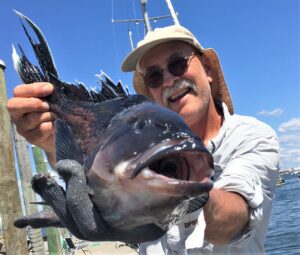
The Saltwater Fishing Regulations for 2022 in RI will soon be finalized. RIDEM held their public hearing on the recreational regulations on February 7 and the final decision will be made shortly after the Marine Fisheries Council makes their recommendation to Terry Gray, the RIDEM Acting Director at their meeting on March 7. Read below to see that there is one twist presented by the MAMFC and ASMFC at their joint meeting on February 8.
The participation by RISAA members at the RIDEM Public Hearing on February 7 was outstanding. I have been attending these meetings for about 20 years and except for a few early battles about menhaden in the Bay, this was the best, most verbal turnout I have ever seen by any user group! There were over 70 people in the room and over 100 people on Zoom, the majority of whom stated that they were RISAA members. Truly a GREAT turnout!
In my estimation, it was a bit disappointing that the Old Guard Charter Captains went against us on most issues, but we certainly were heard. Here is my summary of how I saw at that RIDEM Public Hearing:
- Public Comments are being held open until February 22 (likely too late by the time you are reading this). Just send them to peter.duhamel@dem.ri.gov
- The Black Sea Bass option proposed by RISAA was #1 and had a great level of support (this option included opening June 2 at 2 fish per person, then 3 fish starting September 1 until November 30). The Party & Charter (P&C) guys had Proposal #2 which basically was #1 but split them out and gave them 6 fish per person from July 1 to the end of the year. Most of the “for hire” boats spoke for #2, but that still opens general recreational fishing for BSB on June 2, so either way it is an earlier opening!
- On Striped Bass the regulations remain unchanged from 2021; the only significant discussion was about whether to allow gill net boats to keep and sell stripers. RISAA stated that we are not in support of this proposal.
- Since fluke is set for an 18% liberalization we asked that the regulations allow 1 of the 6 fish bag limit to be 16″ with the rest staying at 19″ (proposal #1). The idea of this is to protect fluke by taking some males and reducing discards. If some people stop fishing after they get 1 fluke to take home for dinner it will reduce the number of discards and lower discard mortality. Option #2 was to just reduce the size from 19″ to 18″ keeping the bag at 6 per person. P&C mostly supported #2 but RISAA had good numbers in support of #1. I believe that #1 is much better for the fish and would allow many inshore anglers to take a fluke home for dinner.
- The amount of discussion on tautog was tremendous. RISAA proposes limiting each angler to no more than 1 fish over 21″ and reducing the “bonus” fall season from a bag of 5 to a bag of 4 fish per person (proposal #1). Many charter captains, many RISAA members, and even the Island Current (headboat) and Freedom Boat Club spoke in favor of this proposal saying how important it is to protect this fishery NOW. Many even suggested that the fall bag should stay at 3 fish per person, not 4. The only people who spoke against this were the RI P&C association who basically said – “we built this fishery up and now it is time to harvest them.” I think their opinion shows disrespect for the resource that we have and if we follow them we will beat this fishery back down to where it was 15 years ago. Knowing how slow these fish grow we need to protect them now.
Again – thanks to all who participated!!!
One twist happened the very next day – February 8 at a joint meeting of the MAMFC and ASMFC. After much discussion about why they didn’t like their previous decision to cut harvest of species that were at high population levels (scup and black sea bass are both near 200% of their Target Spawning Stock Biomass) the council voted to change the black sea bass regulations for 2022. They voted to modify the required harvest reduction for BSB to 20.7% rather than 28% as had previously been mandated. That means that States will be allowed to increase the harvest of BSB by 7.3% compared to what we expected going into the RIDEM Public Hearing. I do not know yet how that will allow RIDEM to open recreational fishing a bit more than the option that I discussed in item 2 above.
Needless to say, I am still confused about how the regulatory process can allow us to take more fluke and at the same time reduce the recreational harvest of BSB.
Also, at the joint ASMFC and MAFMC, the topic of Recreational Reform and the proposed Recreational Harvest Control Rule were discussed. They confirmed that they intend to have a draft ready for implementation in the 2023 fishing season. With all of the controversy surrounding the new BSB harvest restrictions, the Council has an appetite for getting this passed as soon as possible. The documents are not ready yet for Public Comment, but the briefing book created for Council members can be found here: https://www.mafmc.org/council-events/2022/february-2022-council-meeting
I will keep an eye out for the draft once it is released for Public Comment and inform the RISAA Legislative Committee at that time.
JOIN the RISAA LEGISLATIVE COMMITTEE
All RISAA members are welcome to join the RISAA Legislative Committee. If you are interested send an email to me at hittinger@risaa.org and we will send you the link (via email) to the next Legislative meeting.
]]>Deprecated: stripos(): Passing null to parameter #1 ($haystack) of type string is deprecated in /home/t783kqc6is44/public_html/testing.risaa.org/wp-content/plugins/stackable-ultimate-gutenberg-blocks/src/init.php on line 202
Deprecated: strpos(): Passing null to parameter #1 ($haystack) of type string is deprecated in /home/t783kqc6is44/public_html/testing.risaa.org/wp-content/plugins/stackable-ultimate-gutenberg-blocks/src/fonts.php on line 42
Deprecated: strpos(): Passing null to parameter #1 ($haystack) of type string is deprecated in /home/t783kqc6is44/public_html/testing.risaa.org/wp-content/plugins/stackable-ultimate-gutenberg-blocks/src/fonts.php on line 42
Deprecated: stripos(): Passing null to parameter #1 ($haystack) of type string is deprecated in /home/t783kqc6is44/public_html/testing.risaa.org/wp-content/plugins/stackable-ultimate-gutenberg-blocks/src/init.php on line 191
Deprecated: stripos(): Passing null to parameter #1 ($haystack) of type string is deprecated in /home/t783kqc6is44/public_html/testing.risaa.org/wp-content/plugins/stackable-ultimate-gutenberg-blocks/src/init.php on line 202
Deprecated: strpos(): Passing null to parameter #1 ($haystack) of type string is deprecated in /home/t783kqc6is44/public_html/testing.risaa.org/wp-content/plugins/stackable-ultimate-gutenberg-blocks/src/fonts.php on line 42
Deprecated: strpos(): Passing null to parameter #1 ($haystack) of type string is deprecated in /home/t783kqc6is44/public_html/testing.risaa.org/wp-content/plugins/stackable-ultimate-gutenberg-blocks/src/fonts.php on line 42
Deprecated: stripos(): Passing null to parameter #1 ($haystack) of type string is deprecated in /home/t783kqc6is44/public_html/testing.risaa.org/wp-content/plugins/stackable-ultimate-gutenberg-blocks/src/init.php on line 191
Deprecated: stripos(): Passing null to parameter #1 ($haystack) of type string is deprecated in /home/t783kqc6is44/public_html/testing.risaa.org/wp-content/plugins/stackable-ultimate-gutenberg-blocks/src/init.php on line 202
Deprecated: strpos(): Passing null to parameter #1 ($haystack) of type string is deprecated in /home/t783kqc6is44/public_html/testing.risaa.org/wp-content/plugins/stackable-ultimate-gutenberg-blocks/src/fonts.php on line 42
Deprecated: strpos(): Passing null to parameter #1 ($haystack) of type string is deprecated in /home/t783kqc6is44/public_html/testing.risaa.org/wp-content/plugins/stackable-ultimate-gutenberg-blocks/src/fonts.php on line 42
Deprecated: stripos(): Passing null to parameter #1 ($haystack) of type string is deprecated in /home/t783kqc6is44/public_html/testing.risaa.org/wp-content/plugins/stackable-ultimate-gutenberg-blocks/src/init.php on line 191
Deprecated: stripos(): Passing null to parameter #1 ($haystack) of type string is deprecated in /home/t783kqc6is44/public_html/testing.risaa.org/wp-content/plugins/stackable-ultimate-gutenberg-blocks/src/init.php on line 202
Deprecated: strpos(): Passing null to parameter #1 ($haystack) of type string is deprecated in /home/t783kqc6is44/public_html/testing.risaa.org/wp-content/plugins/stackable-ultimate-gutenberg-blocks/src/fonts.php on line 42
Deprecated: strpos(): Passing null to parameter #1 ($haystack) of type string is deprecated in /home/t783kqc6is44/public_html/testing.risaa.org/wp-content/plugins/stackable-ultimate-gutenberg-blocks/src/fonts.php on line 42
Deprecated: stripos(): Passing null to parameter #1 ($haystack) of type string is deprecated in /home/t783kqc6is44/public_html/testing.risaa.org/wp-content/plugins/stackable-ultimate-gutenberg-blocks/src/init.php on line 191
Deprecated: stripos(): Passing null to parameter #1 ($haystack) of type string is deprecated in /home/t783kqc6is44/public_html/testing.risaa.org/wp-content/plugins/stackable-ultimate-gutenberg-blocks/src/init.php on line 202
Deprecated: strpos(): Passing null to parameter #1 ($haystack) of type string is deprecated in /home/t783kqc6is44/public_html/testing.risaa.org/wp-content/plugins/stackable-ultimate-gutenberg-blocks/src/fonts.php on line 42
Deprecated: strpos(): Passing null to parameter #1 ($haystack) of type string is deprecated in /home/t783kqc6is44/public_html/testing.risaa.org/wp-content/plugins/stackable-ultimate-gutenberg-blocks/src/fonts.php on line 42
Deprecated: stripos(): Passing null to parameter #1 ($haystack) of type string is deprecated in /home/t783kqc6is44/public_html/testing.risaa.org/wp-content/plugins/stackable-ultimate-gutenberg-blocks/src/init.php on line 191
Deprecated: stripos(): Passing null to parameter #1 ($haystack) of type string is deprecated in /home/t783kqc6is44/public_html/testing.risaa.org/wp-content/plugins/stackable-ultimate-gutenberg-blocks/src/init.php on line 202
Deprecated: strpos(): Passing null to parameter #1 ($haystack) of type string is deprecated in /home/t783kqc6is44/public_html/testing.risaa.org/wp-content/plugins/stackable-ultimate-gutenberg-blocks/src/fonts.php on line 42
Deprecated: strpos(): Passing null to parameter #1 ($haystack) of type string is deprecated in /home/t783kqc6is44/public_html/testing.risaa.org/wp-content/plugins/stackable-ultimate-gutenberg-blocks/src/fonts.php on line 42
The New Year has arrived, and that brings with it time for us to reflect on the season that was and the season to come. Hopefully, each of us had…
Read more]]>
Deprecated: stripos(): Passing null to parameter #1 ($haystack) of type string is deprecated in /home/t783kqc6is44/public_html/testing.risaa.org/wp-content/plugins/stackable-ultimate-gutenberg-blocks/src/init.php on line 191
Deprecated: stripos(): Passing null to parameter #1 ($haystack) of type string is deprecated in /home/t783kqc6is44/public_html/testing.risaa.org/wp-content/plugins/stackable-ultimate-gutenberg-blocks/src/init.php on line 202
Deprecated: strpos(): Passing null to parameter #1 ($haystack) of type string is deprecated in /home/t783kqc6is44/public_html/testing.risaa.org/wp-content/plugins/stackable-ultimate-gutenberg-blocks/src/fonts.php on line 42
Deprecated: strpos(): Passing null to parameter #1 ($haystack) of type string is deprecated in /home/t783kqc6is44/public_html/testing.risaa.org/wp-content/plugins/stackable-ultimate-gutenberg-blocks/src/fonts.php on line 42
Deprecated: stripos(): Passing null to parameter #1 ($haystack) of type string is deprecated in /home/t783kqc6is44/public_html/testing.risaa.org/wp-content/plugins/stackable-ultimate-gutenberg-blocks/src/init.php on line 191
Deprecated: stripos(): Passing null to parameter #1 ($haystack) of type string is deprecated in /home/t783kqc6is44/public_html/testing.risaa.org/wp-content/plugins/stackable-ultimate-gutenberg-blocks/src/init.php on line 202
Deprecated: strpos(): Passing null to parameter #1 ($haystack) of type string is deprecated in /home/t783kqc6is44/public_html/testing.risaa.org/wp-content/plugins/stackable-ultimate-gutenberg-blocks/src/fonts.php on line 42
Deprecated: strpos(): Passing null to parameter #1 ($haystack) of type string is deprecated in /home/t783kqc6is44/public_html/testing.risaa.org/wp-content/plugins/stackable-ultimate-gutenberg-blocks/src/fonts.php on line 42
Deprecated: stripos(): Passing null to parameter #1 ($haystack) of type string is deprecated in /home/t783kqc6is44/public_html/testing.risaa.org/wp-content/plugins/stackable-ultimate-gutenberg-blocks/src/init.php on line 191
Deprecated: stripos(): Passing null to parameter #1 ($haystack) of type string is deprecated in /home/t783kqc6is44/public_html/testing.risaa.org/wp-content/plugins/stackable-ultimate-gutenberg-blocks/src/init.php on line 202
Deprecated: strpos(): Passing null to parameter #1 ($haystack) of type string is deprecated in /home/t783kqc6is44/public_html/testing.risaa.org/wp-content/plugins/stackable-ultimate-gutenberg-blocks/src/fonts.php on line 42
Deprecated: strpos(): Passing null to parameter #1 ($haystack) of type string is deprecated in /home/t783kqc6is44/public_html/testing.risaa.org/wp-content/plugins/stackable-ultimate-gutenberg-blocks/src/fonts.php on line 42
Deprecated: stripos(): Passing null to parameter #1 ($haystack) of type string is deprecated in /home/t783kqc6is44/public_html/testing.risaa.org/wp-content/plugins/stackable-ultimate-gutenberg-blocks/src/init.php on line 191
Deprecated: stripos(): Passing null to parameter #1 ($haystack) of type string is deprecated in /home/t783kqc6is44/public_html/testing.risaa.org/wp-content/plugins/stackable-ultimate-gutenberg-blocks/src/init.php on line 202
Deprecated: strpos(): Passing null to parameter #1 ($haystack) of type string is deprecated in /home/t783kqc6is44/public_html/testing.risaa.org/wp-content/plugins/stackable-ultimate-gutenberg-blocks/src/fonts.php on line 42
Deprecated: strpos(): Passing null to parameter #1 ($haystack) of type string is deprecated in /home/t783kqc6is44/public_html/testing.risaa.org/wp-content/plugins/stackable-ultimate-gutenberg-blocks/src/fonts.php on line 42
Deprecated: stripos(): Passing null to parameter #1 ($haystack) of type string is deprecated in /home/t783kqc6is44/public_html/testing.risaa.org/wp-content/plugins/stackable-ultimate-gutenberg-blocks/src/init.php on line 191
Deprecated: stripos(): Passing null to parameter #1 ($haystack) of type string is deprecated in /home/t783kqc6is44/public_html/testing.risaa.org/wp-content/plugins/stackable-ultimate-gutenberg-blocks/src/init.php on line 202
Deprecated: strpos(): Passing null to parameter #1 ($haystack) of type string is deprecated in /home/t783kqc6is44/public_html/testing.risaa.org/wp-content/plugins/stackable-ultimate-gutenberg-blocks/src/fonts.php on line 42
Deprecated: strpos(): Passing null to parameter #1 ($haystack) of type string is deprecated in /home/t783kqc6is44/public_html/testing.risaa.org/wp-content/plugins/stackable-ultimate-gutenberg-blocks/src/fonts.php on line 42
Deprecated: stripos(): Passing null to parameter #1 ($haystack) of type string is deprecated in /home/t783kqc6is44/public_html/testing.risaa.org/wp-content/plugins/stackable-ultimate-gutenberg-blocks/src/init.php on line 191
Deprecated: stripos(): Passing null to parameter #1 ($haystack) of type string is deprecated in /home/t783kqc6is44/public_html/testing.risaa.org/wp-content/plugins/stackable-ultimate-gutenberg-blocks/src/init.php on line 202
Deprecated: strpos(): Passing null to parameter #1 ($haystack) of type string is deprecated in /home/t783kqc6is44/public_html/testing.risaa.org/wp-content/plugins/stackable-ultimate-gutenberg-blocks/src/fonts.php on line 42
Deprecated: strpos(): Passing null to parameter #1 ($haystack) of type string is deprecated in /home/t783kqc6is44/public_html/testing.risaa.org/wp-content/plugins/stackable-ultimate-gutenberg-blocks/src/fonts.php on line 42
For me, 2021 brought many of those permanent memories. Of those, none was more enjoyable than landing a near state record fluke, with two of my lifelong fishing partners at my side; and none sadder than that September morning when I got a call from Rich Hittinger informing me we had lost Steve Medeiros.
Mixed in between the highs and lows was an August seabass trip with one of my sons and my dad who, at 84, gives me hope I can fish as long and as well as he can. Such trips are increasingly to be cherished because, as we know, time moves on. Watching my son Shawn work a 10 weight fly rod along a surf break, or seeing my grandson battle a scup from his grandfather’s boat–these are the moments that I increasingly find more important than how big a striper I can catch. Listening to that same grandson proudly explain to his great grandfather that, “when the bobber goes down, it means you have a fish!” is just one of the many things that makes our multigenerational sport so special in my eyes. No one is relegated to cheering from the sidelines. All of us get to participate. Even my little Italian Nana who never set foot on a boat fishing could sure make a good fish soup from whatever fish we managed to bring home when I was a boy.
Now, when I allow my mind to wander towards the 2022 season, I am filled with hope, both for the fishing to come and for our Club. RISAA’s membership remains healthy and shows signs of the kind of growth we need to remain as the voice of all Rhode Island and Northeast anglers. RISAA continues to be recognized by State and Federal officials when considering fishing regulations as well as shoreline access, a subject that Steve and the RISAA Board of Directors has increasingly focused on as of late.
While the fishery forecast isn’t all rosy, we still have much to look forward to. Our Tautog fishery is really second to none, and RISAA aims to keep it that way. Scup fishing remains a highly reliable way to fill a cooler either from shore or boat, and our local Striped Bass population seems to be in better shape than in many mid-Atlantic and northeast states, although few will deny that the numbers coastwide are down and there is not a lot of encouraging data regarding our most treasured fish. Fluke stocks, while clearly in trouble, may benefit from new management approaches and the Rhode Island Black Sea Bass season might finally be adjusted to allow more anglers to participate in the fishery earlier in the spring if RISAA, with membership support and involvement, can be persuasive on this issue.
Will the tuna return? When will the albies show? What great new lure will we buy at RISAA’s Saltwater Fishing Show in March? Will we land our best fish yet in 2022? These questions remain unanswered, but one thing I know moving forward is that it remains a true privilege to represent this organization, and together we can continue to celebrate what a wonderful sport we have chosen to engage in.
Catch em up
]]>Deprecated: stripos(): Passing null to parameter #1 ($haystack) of type string is deprecated in /home/t783kqc6is44/public_html/testing.risaa.org/wp-content/plugins/stackable-ultimate-gutenberg-blocks/src/init.php on line 202
Deprecated: strpos(): Passing null to parameter #1 ($haystack) of type string is deprecated in /home/t783kqc6is44/public_html/testing.risaa.org/wp-content/plugins/stackable-ultimate-gutenberg-blocks/src/fonts.php on line 42
Deprecated: strpos(): Passing null to parameter #1 ($haystack) of type string is deprecated in /home/t783kqc6is44/public_html/testing.risaa.org/wp-content/plugins/stackable-ultimate-gutenberg-blocks/src/fonts.php on line 42
Deprecated: stripos(): Passing null to parameter #1 ($haystack) of type string is deprecated in /home/t783kqc6is44/public_html/testing.risaa.org/wp-content/plugins/stackable-ultimate-gutenberg-blocks/src/init.php on line 202
Deprecated: strpos(): Passing null to parameter #1 ($haystack) of type string is deprecated in /home/t783kqc6is44/public_html/testing.risaa.org/wp-content/plugins/stackable-ultimate-gutenberg-blocks/src/fonts.php on line 42
Deprecated: strpos(): Passing null to parameter #1 ($haystack) of type string is deprecated in /home/t783kqc6is44/public_html/testing.risaa.org/wp-content/plugins/stackable-ultimate-gutenberg-blocks/src/fonts.php on line 42
- Call to Order
- Because of COVID-19 mandatory prohibition against public gatherings, this meeting was conducted via video conference. Meeting was called to order at 6:33 PM.
- Attendance
- Present: Richard Hittinger, Susan Lema, David Michel, David Monti, Robert Murray, Peter O’Biso, Richard Reich, Roger Tellier, Dawn Filliatreault Wood, Greg Vespe
- Absent: Gary Johnson
- Guests: Steve Skenyon, nominee for Treasurer; Mitch Riffkin, RISAA attorney
- Minutes
- Motion to dispense with the reading of the October 19, minutes was made by Roger Tellier, seconded by David Monti. All voted in favor.
- Financial Reports
- Treasurer’s Report
- A motion to accept the Treasurer’s report (as submitted by Peter O’Biso) was made by Robert Murray, second by Richard Reich. All voted in favor. Reports are attached.
- Investment Statements, Foundation Statement (see attached).
- Treasurer’s Report
- Membership
- Update on Status of Membership Entries
- Greg Vespe reports that he now has access to membership files. He is receiving both membership renewals and new member applications. He is mailing membership packets to all new members
- Dawn Filliatreault Wood reminded the Board that the membership committee (headed by Ed Kearney) contacts all new members, either in person (at in-person meetings) or via phone to welcome them. Greg will forward all new members’ names to Ed Kearney, who will then assign them to the committee members for initial contact.
- Update on Status of Membership Entries
- Communications
- Memorial to Steve Medeiros
- Richard Reich, Peter O’Biso, Greg Vespe, and Richard Hittinger met with Conor McMannus (R.I DEM Chief) on 11-18-21 at the Black Point public access area in Narragansett. Discussion centered around a possible tribute to Steve Medeiros on site. Scenarios under consideration would include signage denoting the history of Black Point and its importance to the public and fishing community, information on Steve’s tenure at RISAA, as well as information on the fishing available in the area.
- Public Access Commission
- Richard Hittinger and Peter Jenkins gave testimony before the Public Access Commission on 11-04-21. They both stressed how important shore fishing is to RI and how that depends on public access as protected in the RI Constitution. Both encouraged Coastal Resources Management Council (CRMC) to defend and protect public access.
- Congratulations to Greg Vespe
- Greg expressed his appreciation for assistance received both from Board members and Committee Chairs.
- Request from Save The Bay
- Save the Bay has requested that RISAA join their BRIEF OF AMICUS CURIAE on the CRMC’s approval (without public comment period) of the 3 acre expansion of Champlins Marina in New Harbor, Block Island. RISAA attorney Mitch Riffkin will read the brief and give his opinion to Greg Vespe. RISAA’s support of the brief would demonstrate to the Court that we are concerned that established process would be followed in all actions by the CRMC.
- Communication with RIDEM Regarding Future Regulations
- RISAA has requested a “pre-workshop” meeting with RIDEM to discuss issues relative to Recreational fishing regulations in 2022. Conor McManus has agreed to meet with the Board to discuss our concerns. Greg Vespe and Rich Hittinger have begun the discussion when they met with Director McManus at Black Point. Greg floated an idea to limit trophy tautog possession, but the idea was not accepted since it was not discussed at a previous workshop. Greg also introduced an idea to open Black Seabass earlier to the recreational sector.
- David Monti introduced concerns from member/charter captain B.J. Silvia and other members of the RI Party & Charter Boat Association that the RIPCBA is not conservation-minded enough. David will explore this issue further with the American Saltwater Guides Association (ASGA) with support from RISAA.
- Memorial to Steve Medeiros
- Old Business
- Update from Transition Team (reported by Richard Hittinger)
- Greg Vespe’s transition into his new position continues. He now has control of the RISAA Facebook account and can post to the page.
- Update from Newsletter Team (reported by David Monti)
- Dave reports that 170 responses to the member survey concerning content of the newsletter have been received. The team will examine the responses with an eye towards improving content requested by the membership.
- Meeting Seminars/Announcements/ Recordings: (reported by Dawn Filliatreault Wood)
- RISAA is planning to resume in-person meetings at the West Warwick Elks’ Club in April, 2022. Dawn will contact the Elks’ management to begin the arrangements. She will then contact videographer Don Coyne to arrange recording of the live presentations.
- Coastal Resources Management Council Reorganization Committee: (reported by Richard Hittinger)
- The Chair and Vice-chair of the Commission are in the process of drafting legislation to re-organize the CRMC. They are optimistic that the legislation will pass in the RI Legislature.
- Slate of Officers for 2022
- The Board discussed vacancies in the positions of President and 2nd Vice-President now that nominations have closed for the upcoming year. The positions of Executive Director and President were formerly filled by one individual. Greg Vespe expressed concerns that splitting the two offices would confuse the membership. David Monti explained that the responsibility of Executive Director involves the “day to day” operations of the organization, while the Board members make policy decisions. Richard Hittinger suggested that individuals could be appointed to the vacant positions after elections are completed. The matter was tabled for further discussion at a later date.
- RISAA License Plates
- Greg Vespe commended the amount of work that has been accomplished in this effort. He proposed that the Board consider voting to end the project. The matter was tabled until a later date.
- RISAA Saltwater Fishing Show
- Robert Murray reported that 70% of the booths have been sold. There are approximately 107 booths remaining. The Board discussed making booths available to parties not directly involved in fishing (i.e. Vineyard Wind, Orsted, The Coastal Institute who have expressed interest in the past).
- Update from Transition Team (reported by Richard Hittinger)
- New Business
- RISAA E-Mail Glitch
- Greg Vespe reported a malfunction of the email system, resulting in the loss of some original e-mails. The server is working to re-establish this service. A message has been posted on the RISAA Facebook page to alert members to this temporary malfunction.
- Donations to the RISAA Foundation and RISAA
- The Board discussed having an accountant give a brief presentation to the membership regarding the subject of donations to RISAA and its Foundation. Mitch Riffkin suggested that there are tax advantages to be had in donations when estate planning. Further exploration of this idea is forthcoming.
- Annual Awards Banquet
- This event has traditionally been authorized by the Board in September. Greg Vespe suggested a possible “Spring Kickoff Banquet” since live meetings are to resume in April. Further discussion was tabled until a future Board meeting.
- Bi-Annual Photo Contest
- In the past, the winners of the Photo contest have been announced at the February Annual Awards Banquet. The Board will review submissions at the next meeting.
- Meeting with RIPCBA President
- Greg Vespe announced he spoke recently with RI Party & Charter Boat Association President Rick Bellevance. He believes that there is some common ground between the two associations, and that efforts to work together could be mutually beneficial.
- RISAA E-Mail Glitch
- Good of the Order
- Peter O’Biso has received a “Key Man” insurance quote. He will forward this via e-mail to the Board for discussion at the December meeting.
- Information
- Committee Meetings: all RISAA committees are required to meet to draft their 2022 budget requests, and to hold committee elections. Budgets are to be submitted for the December meeting. Richard Hittinger reports to date that most of the active committees have met.
- Adjourn
- Next meeting: December 21, 2021. Richard Reich made the motion to adjourn, second by David Monti. All voted in favor. Meeting was adjourned @ 7:56 PM.